Cockroach infestations introduce allergen-heavy frass, shed skins, and bacterial pathogens directly to food preparation counters and pantry shelving. In high-density settings like brick rowhouses in German Village or…
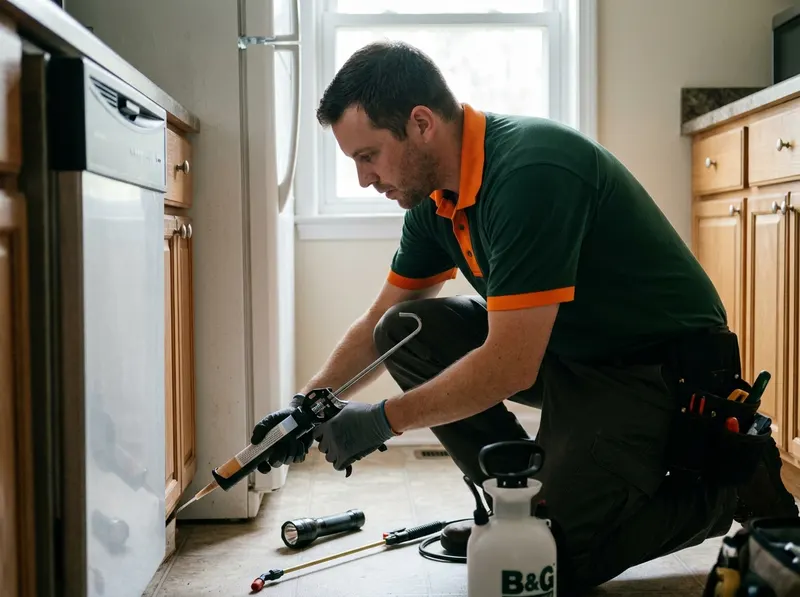
Cockroach infestations introduce allergen-heavy frass, shed skins, and bacterial pathogens directly to food preparation counters and pantry shelving. In high-density settings like brick rowhouses in German Village or historic multi-family conversions in the Short North Arts District, German cockroaches (Blattella germanica) travel through shared party walls, pipe collars, and electrical chases. Older fieldstone and limestone foundations in Clintonville and Victorian Village frequently harbor damp-loving Oriental roaches (Blatta orientalis), while crawlspaces near river basins in Franklinton face pressure from American roaches. Remediation prioritizes hygiene restoration by targeting hidden aggregate nests located behind refrigeration units, under dishwasher kickplates, and inside deep cabinet hinges rather than merely spraying visible surfaces.
Effective elimination relies on non-repellent formulations and Insect Growth Regulators (IGRs) such as hydroprene or pyriproxyfen. Traditional over-the-counter pyrethroid foggers scatter roach populations deeper into wall voids and subfloors, fracturing a single colony into multiple active nesting zones. Professional gel baiting with active ingredients like indoxacarb, dinotefuran, or clothianidin takes advantage of natural roach aggregation and coprophagy, causing secondary mortality throughout the harboring population. The trade-off is mechanical patience: gel baits require 7 to 14 days to circulate through the colony life cycle, preventing reproductive replacement without contaminating indoor air or forcing prolonged building evacuations.
Properties across Bexley, Upper Arlington, Grandview Heights, Worthington, and the Hilltop receive treatment calibrated to building layout. The protocol begins with vacuum extraction using HEPA filtration to eliminate immediate egg cases (oothecae) and live clusters, reducing allergen loads by up to 90 percent on day one. Structural gaps larger than one-sixteenth of an inch around sink drains, radiator lines, and floor trim are identified for physical exclusion. A mandatory second visit scheduled 14 to 21 days later interrupts the egg-hatch cycle, confirming zero juvenile roach survival before returning the property to maintenance status.
Every job gets a firm, written price after a free on-site visit.
Tell us about your cockroach remediation job in Columbus and we'll send a clear, written quote, usually the same day.
 Kelmar Pest Services